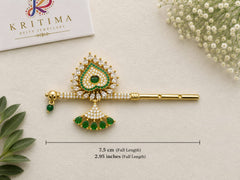
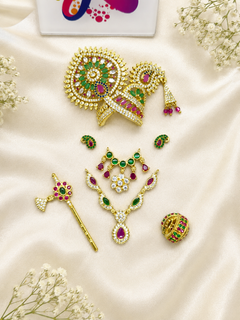
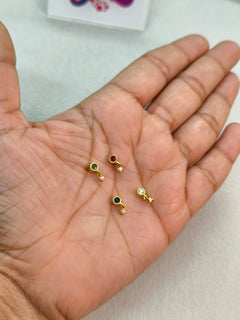
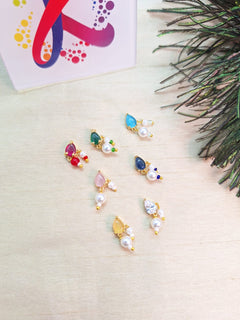
Vivah Panchami, on Margashirsha Shukla Panchami, celebrates the wedding of Shri Ram and Sita Maa in Janakpur. Temples in Ayodhya and Janakpur hold grand wedding processions, and many families dress their Ram Darbar as a bride and groom.
Sita Maa as the bride
- Poshak: red, maroon or pink lehenga-style poshak with a chunri.
- Head: a delicate mukut or chandrika, with a maangteeka.
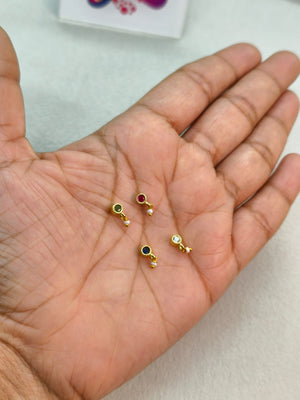
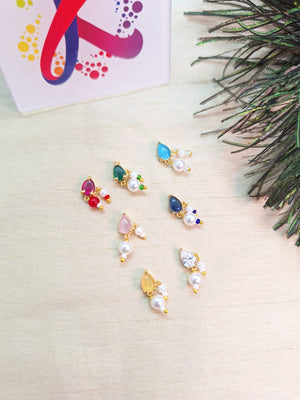
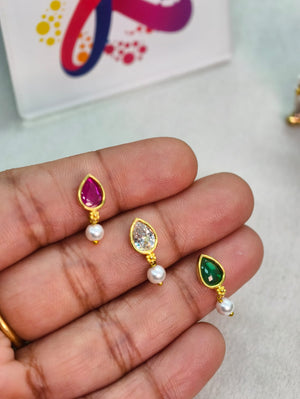
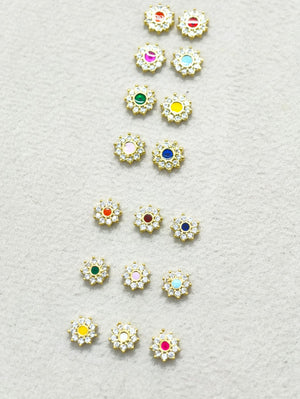
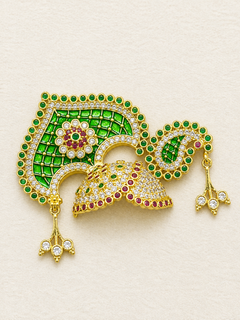
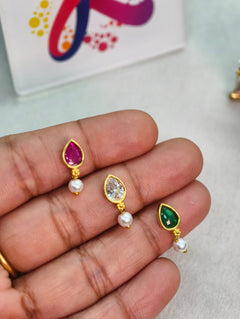
- Face: a nath, bindi from our tilak and bindi range, and jhumki.
- Hands and feet: bangles and payal.
Shri Ram as the groom
- Poshak: cream, gold or yellow with a red or maroon dupatta.
- Mukut or pagdi: a tall gold mukut, or a pagdi with a serpech and kalangi for a classic dulha look.
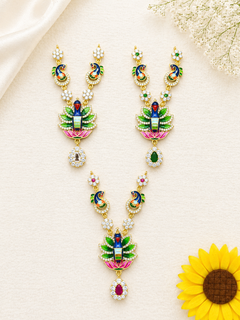
- Haar: a long haar and a flower varmala.
- Dhanush baan: Shri Ram's bow and arrow stays in his hands, polished and in place.
Lakshman ji and Hanuman ji
Dress Lakshman ji in a lighter version of Shri Ram's look, and Hanuman ji in his usual red and gold with a fresh mala. Our Ram Darbar guide and Hanuman ji guide have more detail.
Making it feel like a wedding
- Tie a light mauli thread between Ram ji's and Sita Maa's dupattas as a symbolic gathbandhan.
- Decorate the mandir with marigold and mango leaves.
- Offer a sweet bhog and sing the Ramcharitmanas wedding chaupais if your family recites them.
Browse our Ram Darbar shringaar for matching pieces.
Frequently asked questions
Does Sita Maa need a separate set from Ram ji?
Usually yes. Sita Maa wears bridal pieces such as nath and maangteeka, while Ram ji wears a mukut or pagdi and haar. Keep the metal finish the same so they look like a pair.
When is Vivah Panchami?
It falls on the fifth day of the bright fortnight of Margashirsha, usually in late November or December.
 Laddu Gopal Ji Set
 Mukut
 Haar
 Choker
 Kalangi
 Bansi