
Kartik Purnima, the full moon of Kartik month, closes the most sacred month of the year for many devotees. In Varanasi it is celebrated as Dev Deepawali, when the ghats glow with lakhs of diyas, and many homes light lamps in the evening to mark the end of Kartik snan and deepdaan.
It is a night made for gold: shringaar that catches the flicker of the diya.
The look: warm gold and deep colour
- Poshak: deep red, maroon, saffron or royal blue with gold work.
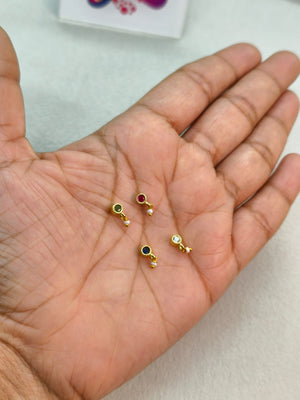
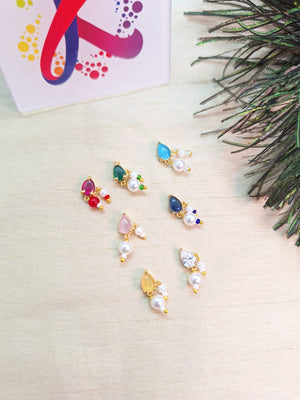
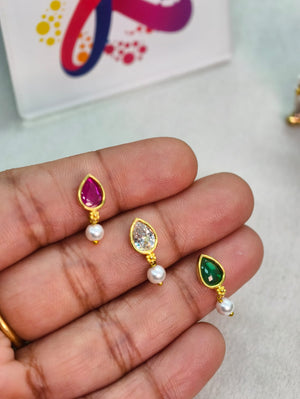
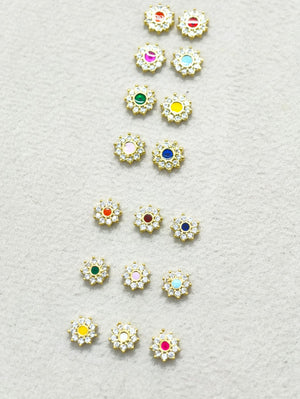
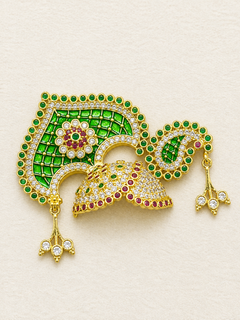
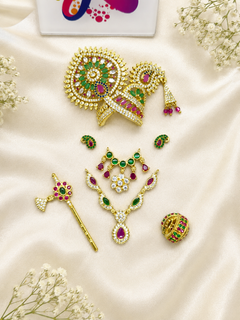
- Jewellery: gold polish shringaar glows beautifully in diya light. Kundan and AD stones add sparkle.
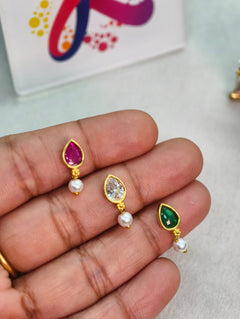
- Accent: a touch of pearl softens the look and keeps it festive rather than heavy.
What to put on Thakur ji
- Mukut: a gold mukut, or a pagadi with a kalangi if you are using a winter cap.
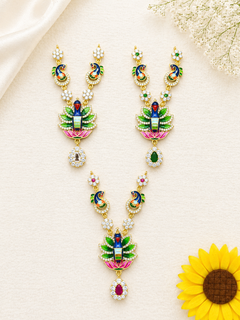
- Haar: a long gold haar layered over a choker.
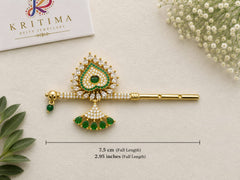
- Bansi: a festive bansi for Krishna.
- Kamarband and payal: finish with a kamarband and payal for evening darshan.
Keeping jewellery safe around diyas
- Place diyas in front of the mandir, not beside Thakur ji, so flames stay away from poshak and hanging pieces.
- Keep long haar and kundal tucked in, and avoid loose chunri edges near the lamp.
- Wipe off soot or ghee marks with a soft dry cloth the next morning. See our care guide.
A simple evening checklist
- Dress Thakur ji before sunset.
- Light diyas at the mandir, the doorway and near the Tulsi plant.
- Offer a light bhog and perform aarti.
- Keep one diya burning safely through the evening, if that is your family's custom.
It is also cold by late November, so read our winter shringaar guide for keeping Thakur ji warm under the festive look.
Frequently asked questions
Is Kartik Purnima the same as Dev Deepawali?
Dev Deepawali is the name Varanasi gives to its Kartik Purnima celebrations. Many families across India light lamps at home on this full moon too.
Can I reuse my Diwali shringaar?
Yes. Diwali jewellery suits Kartik Purnima perfectly. Change the poshak or add a new haar for a fresh look.
 Laddu Gopal Ji Set
 Mukut
 Haar
 Choker
 Kalangi
 Bansi